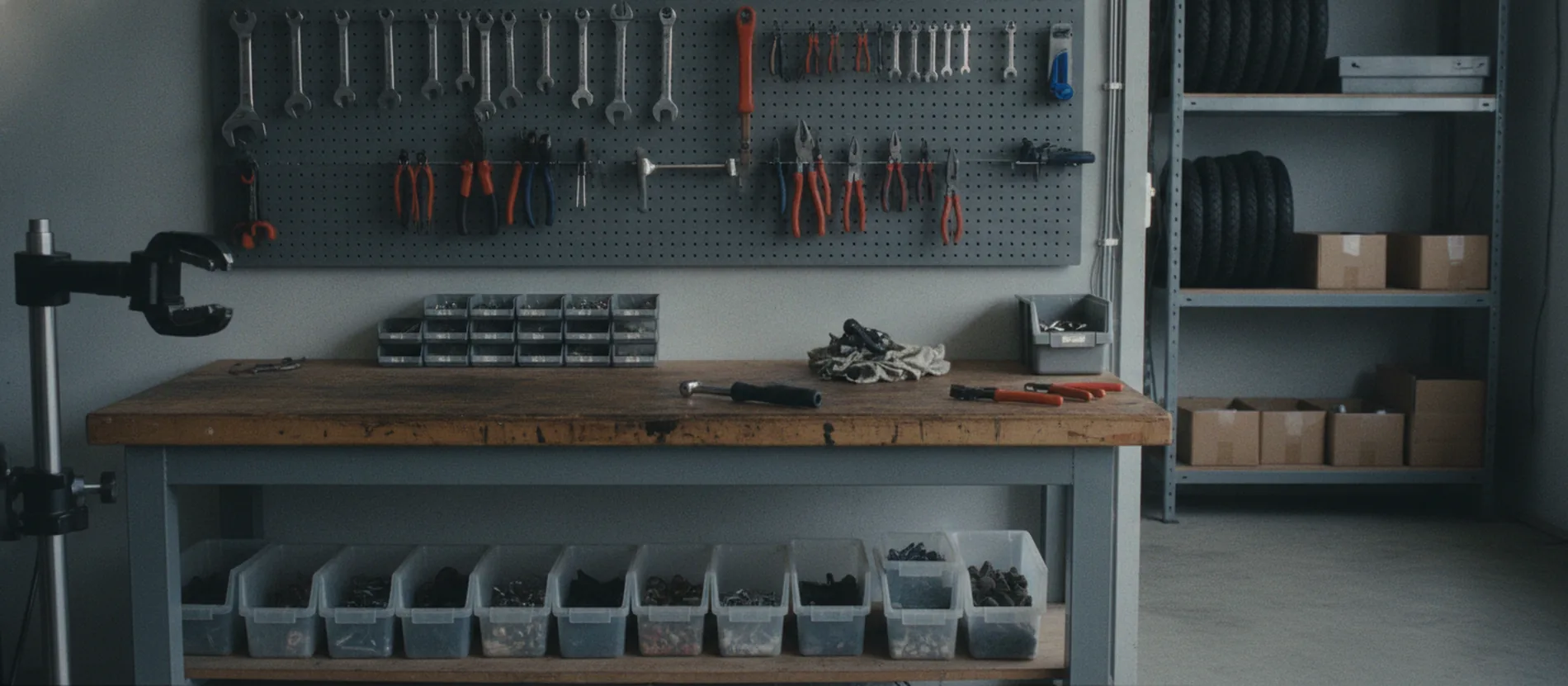
§ 00 · Service dept. / est. whenever the fog lifted
Bike repair in the fog belt. We fix what the hills and the salt air chew up, and nothing expensive happens without a phone call.
You set the ceiling. We call at it.
§ 01 · No phone tag, no sticky notes
How it works: pick a service, grab a slot, tell us what the bike is doing. Drop it off in your window. We call before doing anything expensive.
One system, two sides. Book something here, then look at the board below.
Prices are starting points. Parts are extra, surprises get a call first.
Next seven open days. Mondays we are out riding, not answering the door.
Pick a day and the open slots show up here.
Thirty seconds of detail now saves a phone call later.
Pick the closest one. Other is fine.
Tell us something, even if it is just "it feels wrong."
A photo can help us understand the problem before you arrive. Stays on your device in this demo, nothing gets uploaded.
Just enough to put a name on the work tag and reach you when it is ready.
We need a name to put on the work tag.
Give us a phone number or an email so we can tell you when it is done.
Here is your work tag. Print it, save it, or just remember the code.
The calendar file is a real .ics your phone can open. Printing uses your print dialog, so "save as PDF" works too.
Demo, not a real booking: nothing left your browser. Your booking is saved locally, so flip to the shop demo up top and watch it land on the schedule board. In the real version this would also email the shop.
§ 02 · What we touch
What each area starts at. Pick one and it books that service for you; pick a service above and the areas it touches light up here. A weird noise lights nothing, because that one starts with a look and an estimate.
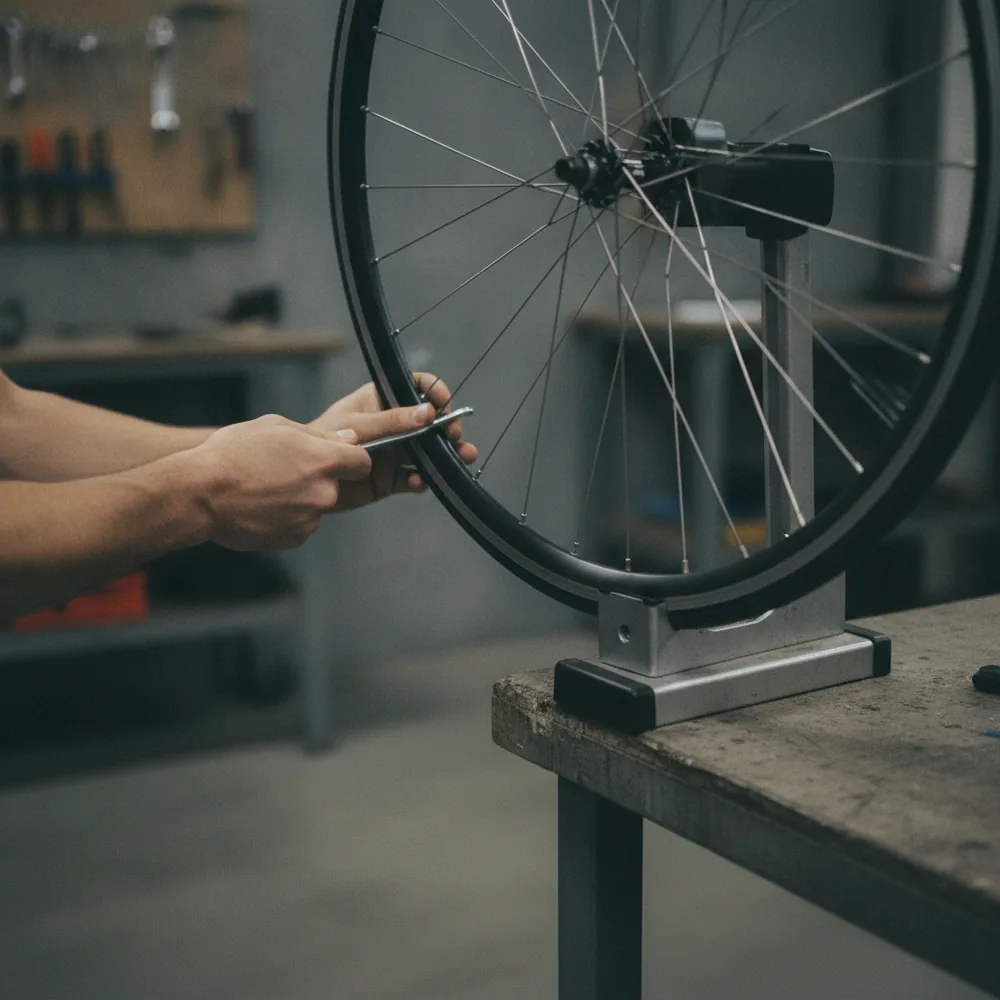
§ 03 · The counter side
The same bookings, from the shop's chair. Book something in the customer view above, then come back here and it is on the board.
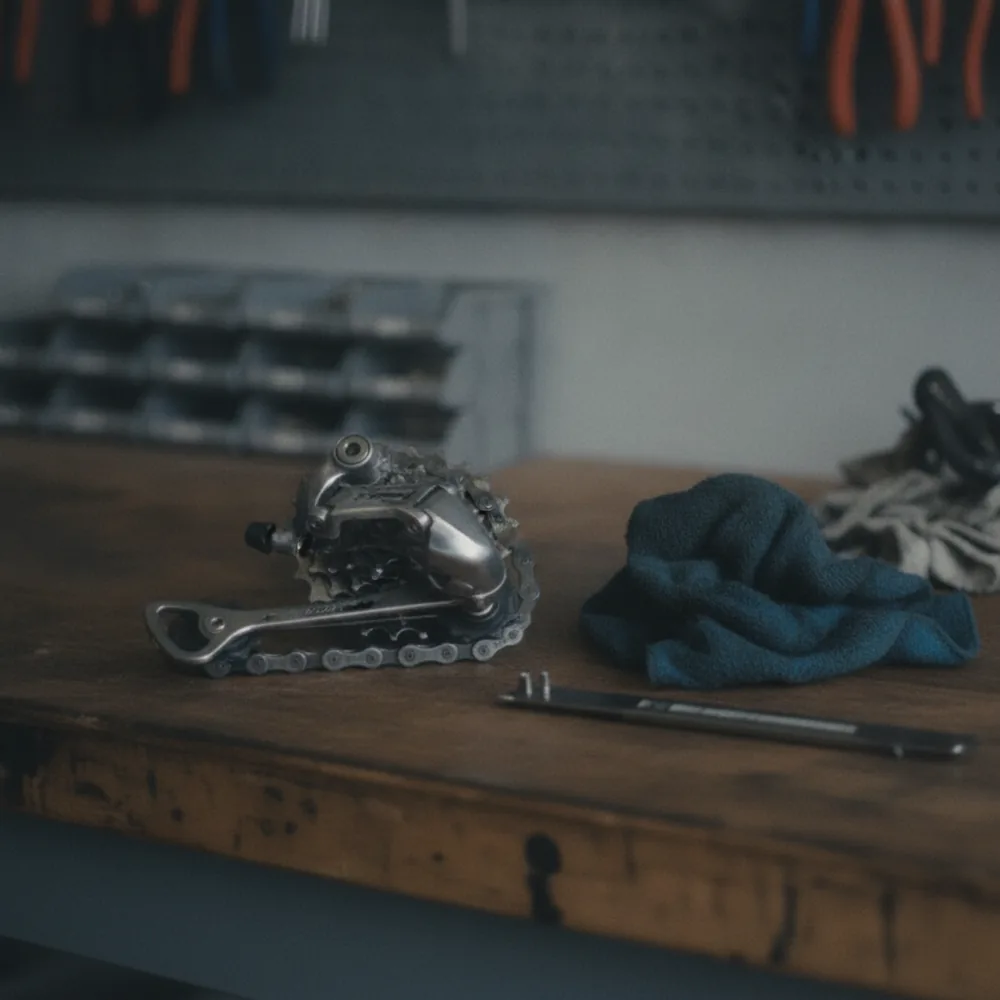
Nothing expensive happens without a phone call.Painted on the shop door, and how the estimate ceiling works
§ 04 · For the curious
Most repair shops take bookings on a phone nobody can reach, because both hands are inside a bottom bracket. Jobs live in voicemail, text threads, and sticky notes on the bench. Then a callback gets missed and a customer walks.
This page is the alternative. The customer picks a slot, describes the bike and the problem before showing up, and says up front how much extra work they will approve. The shop gets a board it can run the day from. Fewer calls, fewer surprises, nothing on a sticky note.
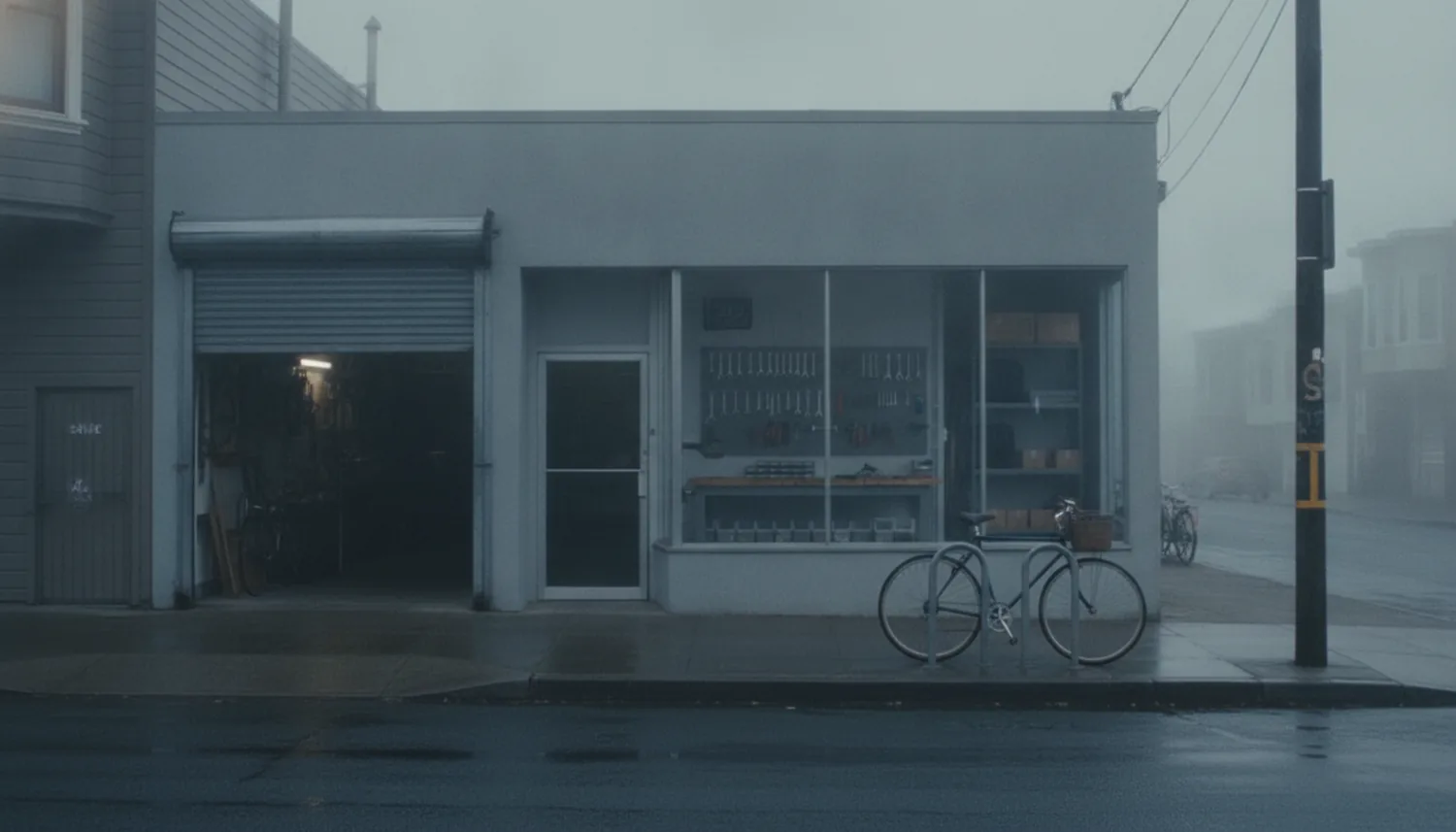
One HTML file, no backend, so everything stays in your browser. In a real deployment the bookings would land in a database, text the shop, and sync a calendar. That part is plumbing. The flow you just used is the hard part.